




Sweat and dehydration on hot days
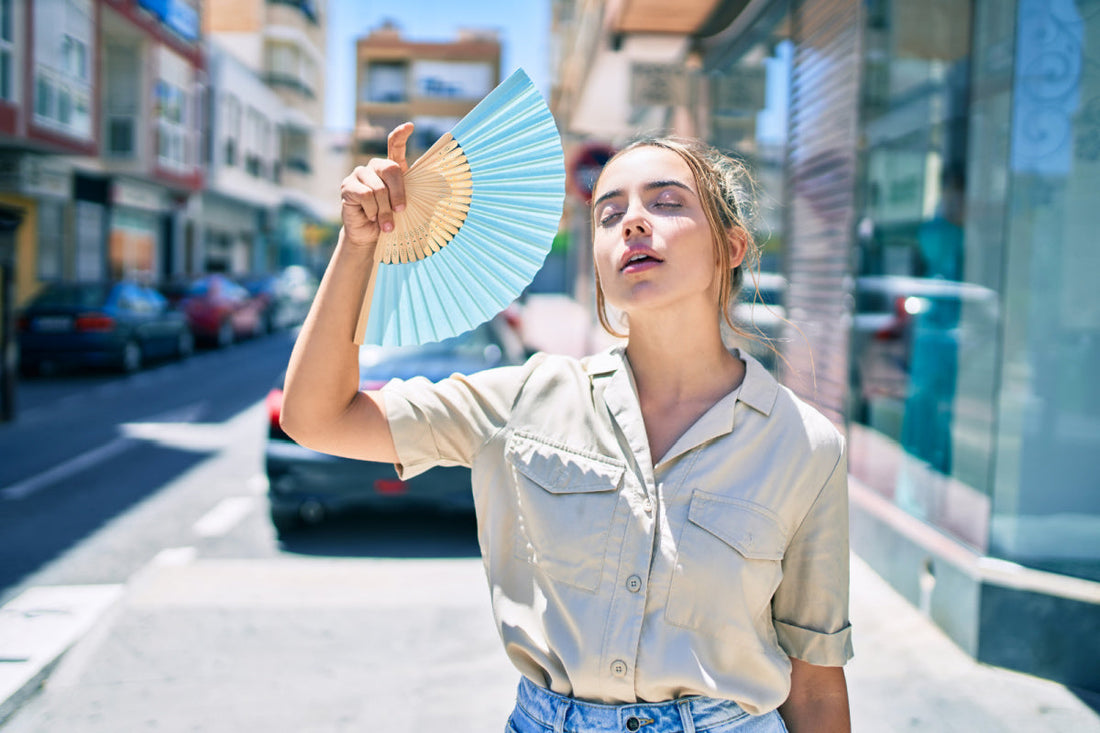
Sweat and dehydration have an interdependence relationship. The hot days can be a major challenge for our body. During these periods, the body must regulate its internal temperature to function correctly, and sweating plays an essential role in this process.
However, excessive sweating can lead to dehydration, a serious risk to health. Discover the reasons why we sweat more on hot days, how the perspiration process works, the connection between excessive perspiration and dehydration and the ways to protect our body during summer.
Why do we sweat more when it's hot outside?
Transpiration is the natural mechanism of the body to cool down. When the external temperature rises, our body activates the sweat glands to release perspiration on the surface of the skin. This liquid evaporates, helping to dissipate the heat and maintain a stable internal temperature.
The human body operates optimally at an internal temperature of about 37 ° C. In the hot days, the external temperature can exceed this threshold, forcing the body to adopt cooling measures. The hypothalamus, located in the brain, Detects temperature rise and activates sweat glands. Acestea elibereaza transpiratie, care se evapora de pe piele, racind astfel organismul.
The natural process of sweating
The perspiration is composed mainly of the water, but also contains Electrolytes such as sodium, potassium and chloride. The transpiration process not only cools the body, but also regulates the electrolyte balance of the body. Electrolytes are minerals that help regulate nerve and muscle functions, acid-base balance and hydration. Their loss can lead to muscle cramps, fatigue and, in severe cases, to electrolytic imbalances that require medical intervention.
Only the application of the deodorant does not help you if you sweat excess. Then When the amount of perspiration eliminated is higher than the usual one, it means that your body needs a quick detoxification. By sweating, the body eliminates toxins and excess water from the body, so a healthy diet and consumption of at least 2 liters of water a day helps you to keep perspiration under control.
Symptoms of dehydration
Dehydration occurs when the body loses more liquids than it receives, which can affect its normal functioning. It is essential to recognize the symptoms of dehydration in order to be able to intervene quickly and prevent complications. The symptoms of dehydration may vary depending on its severity, but here are some of the most common:
Mild to moderate symptoms:
- Sensation of thirst: It is one of the first signs of dehydration. The thirst indicates that the body needs water.
- Dry and sticky mouth: The lack of liquids makes the mouth feel dry.
- Dry skin dryness: The skin can become dry and devoid of elasticity. A simple test is to pinch the skin on the back of the hand - if the skin does not return quickly to the initial shape, it can be a sign of dehydration.
- Decreasing the amount of urine: Dehydrated people will urinate less often, and the urine will usually be dark in color.
- Fatigue and weakness: Lack of water affects the energy level and can cause fatigue.
- Dizziness or easy confusion: Low fluid level can affect cognitive functions, leading to confusion or dizziness.
- Headaches: Dehydration can cause headaches because blood and oxygen flow decreases.
Severe symptoms of dehydration
- Extreme thirst: A overwhelming need to drink water.
- Absence of perspiration: Even in extreme heat conditions, the lack of perspiration can indicate severe dehydration.
- Dry and cold skin: The skin can become cold and damp, a sign that the body tries to preserve water.
- Eyes clogged: The appearance of the eyes can be an indicator of severe dehydration.
- Fast pulse and fast breathing: The heart beats faster and breathing becomes more accelerated to maintain organ oxygenation.
- Decreased blood pressure: Severe dehydration can lead to lower blood pressure, which can cause dizziness or fainting.
- Severe lethargy and confusion: Severe dehydrated people can become very lethargic, confused or even have hallucinations.
- Inability to urinate: The total lack of urine is an alarming sign and requires immediate medical intervention.
- Hypovolemic shock: This is a medical emergency caused by a very low volume of blood due to dehydration. Symptoms include severe confusion, cold and damp skin, fast heartbeat and fast breathing.
Symptoms of dehydration in children
In children, the symptoms of dehydration can be different or subtle than in adults. It is important to pay attention to signs such as:
- I cry without tears
- Dried diapers for several hours
- Irritability or lethargy
- Dry and sticky mouth
- Eyes clogged
What to do in case of dehydration
If you recognize the symptoms of dehydration, it is important to take measures immediately:
- Drink liquids: It starts with water and drinks containing electrolytes, such as drinks for athletes. Avoid alcoholic beverages and caffeine, as they can aggravate dehydration.
- Rest in a cool place: If possible, move to a shaded or cool place to reduce the loss of fluids by sweating.
- Medical consultation: In severe cases of dehydration, it requests emergency medical assistance. Severe dehydration may require intravenous liquids to restore the body's water balance.
The early recognition and treatment of dehydration are essential to prevent serious complications and to maintain optimal health, especially on hot days or during intense physical activities.
The connection between excessive sweat and dehydration
Dehydration occurs when the loss of fluids by perspiration exceeds the intake of liquids. In hot days, the body loses significant amounts of water and electrolytes by perspiration, and if they are not adequately replaced, dehydration occurs.
Dehydration may manifest through varied symptoms, from thirst and dry mouth, to more severe symptoms such as dizziness, confusion and lower blood pressure. In extreme cases, dehydration can lead to shock and require emergency medical care.
Excessive sweating It can lead to losses of sodium, potassium and other essential electrolytes, which can cause muscle cramps, fatigue and, in severe cases, cardiac and neurological problems.
As the temperatures increase, the water need of the body increases proportional. Outdoor activities, prolonged exposure to the sun and high humidity contribute to significant water losses through perspiration.
Factors contributing to summer dehydration:
- Prolonged exposure to the sun: The strong sun increases the rate of evaporation of perspiration, accelerating the loss of water.
- Intense physical activities: The physical exercises performed in the heat significantly increase the fluid losses.
- High humidity: In conditions of high humidity, perspiration evaporates more slowly, and the body continues to cause perspiration, which leads to increased water losses.
The amount of perspiration that a person can produce varies considerably depending on several factors, including the temperature and humidity of the environment, the level of physical activity and the physical condition of the individual. In hot days, these variables can lead to significant amounts of water loss through perspiration.
Under normal conditions, A person may lose between 0.5 and 1 liter of sweat per hour during moderate physical exercises. However, on the hot days, this quantity can increase significantly. According to some studies and estimates, a person may lose between 1 and 2.5 liters of sweat per hour in extreme heat conditions and high humidity.
Athletes who carry out intense activities in extreme heat conditions can lose even up to 3 liters of perspiration per hour. Even people who do not carry out intense physical activities can lose significantly more water by sweating on hot days.
For example, a person who stays outdoors at high temperatures may lose more than 1 liter of perspiration per hour.
In high humidity conditions, sweating evaporates more slowly, which can lead to an even more abundant sweat. This is due to the fact that the body continues to produce perspiration to try to cool, even if its evaporation is difficult.
Ways to avoid sweating and dehydration
Protecting the body from the effects of the heat in the heat requires a number of preventive measures that can reduce the risk of excessive perspiration and dehydration.
1. Proper hydration
Consuming an adequate amount of water is essential. It is advisable to drink water throughout the day, not only when we feel thirst, because the thirst sensation appears when we are already partially dehydrated.
2. Consumption of electrolytes
Besides the water, it is important to consume drinks containing electrolytes, especially if we carry out intense physical activities. Drinks for athletes, coconut water and natural juices are good sources of electrolytes. Also, bananas are rich in electrolytes, so you can include them in your diet.
3. Avoid prolonged exposure to the sun
Trying to avoid direct sun exposure in peak hours (between 11:00 and 16:00) can reduce the risk of overheating and dehydration. In these intervals, it is advisable to look for the shade or to stay in cool spaces.
4. adequate clothing
Wearing light, wide and light clothes can help maintain a comfortable body temperature. Materials that allow quick evaporation of perspiration, such as cotton, are also recommended.
5. Use of sun protection
Applying a generous layer of sun protection can prevent sunburn, which not only are painful, but can affect the body's ability to adjust their temperature. We recommend you Sun Suncare Sun Lotion, SPF 30, Equilibrium.
The combination of bio ingredients as Aloe vera, olive oil, wheat germ oil, sweet almond oil, lavender and jojoba oil, with silicon and titanium, I make the sun lotion the best ally for natural and safe skin protection during sun exposure - an essential element in the daily skin care routine for all family members. Tested dermatologically, it is also suitable for those with sensitive or prone skin.
6. adaptation of nutrition
The consumption of foods rich in water, such as watermelons, cucumbers and salads, can contribute to the body's hydration. Avoiding heavy and high protein foods can reduce the body's water need for digestion.
7. Regular breaks
When we carry out physical activities outdoors, it is important to take regular breaks in the shade and hydrate. This helps maintain an optimal level of hydration and prevents overheating.
We recommend our deodorants with natural ingredients, which help you avoid the appearance of unpleasant odors that can occur due to perspiration. With Aloe Vera, chamomile, rosemary and other organic plants, protect the skin of the underwater, while hydrating and calming it. You find them all HERE.
Sweat and dehydration are essential aspects to be managed in hot days to maintain our health and comfort. Understanding the mechanism of body perspiration and the risks associated with dehydration can help us to adopt effective preventive measures.
By adequate hydration, sunscreen and adapting the lifestyle to high temperature conditions, we can significantly reduce the risk of dehydration and we can ensure the proper functioning of the body even in the hottest summer days.
Article written by,
Adriana Petrescu, specialist marketing