




Sleep and cell regeneration, a connection that improves your life
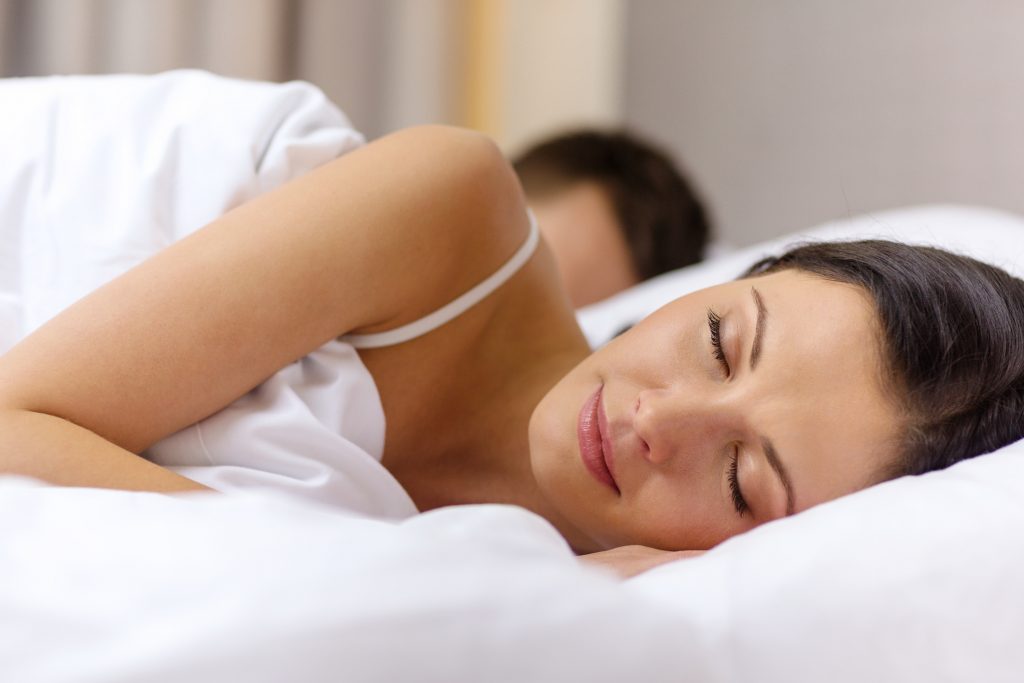
Sleep and cell regeneration have a close connection. When you sleep, your body goes through a series of changes that allow rest. And rest is vital to your general health.
Sleep allows the brain and body to slow down, to take a break, and carry out recovery processes, promoting a better physical and mental performance both the next day and in the long run.
What happens when you don't sleep enough? You have insomnia, you cannot rest or wake up often during the night.
These fundamental processes that our brain undertakes during sleep are short -circuit. Thus, thinking, concentration, energy level and mood are affected.
As a result, it is essential to get the sleep you need - seven to nine hours for adults and even more for children and adolescents.
In this sense, Essential oils can give you a relief. Excerpts from flowers, leaves and other parts of the plant, the essential oils have a lot of therapeutic qualities.
Although scientists have not yet established how or why aromatherapy could help improvement of sleep problems, it is believed that inhalation of the essential oil molecules (or the absorption of essential oils through the skin) can activate the brain parts involved in sleep control.
Preliminary research, however, shows that Certain essential oils can help promote relaxation And when encouraging a healthier, qualitative and restful sleep.
Sleep and cell regeneration: How it works
Sleep is the peak time for the body to bring its hormones back to a healthy level. Therefore it is not surprising as an adequate sleep after surgery or as part of recovery after a condition is an important part of the healing process.
While we sleep:
- Our body repairs tissues
- eliminate metabolic waste accumulated throughout the day (through the natural detoxification process)
- repair the DNA that has been affected by oxidative stress (caused by the action of free radicals and which causes the appearance of many chronic conditions).
Vitamin C is a powerful antioxidant that combats oxidative stress.

Tissues are created from stem cells and used as a new tissue scaffold that will replace the one that has been damaged by the oxidative stress from the previous day. Basically our cells regenerate daily. The new ones replace the damaged ones to maintain our health.
More studies They suggested that the same genes govern both the circadian rhythm and the repair of tissues. BMAL1 genes and clock, for example, they are known for a long time because they control different aspects of the circadian rhythm.
According to new studies, they are crucial for stem cell differentiation, which is an essential part of tissue repair.
The circadian rhythm refers to the changes that our body goes through at the physical, mental and behavioral level during a day. When the circadian rhythm is disturbed, problems such as insomnia, depression or seasonal asthenia arise.
The stages of sleep and their importance in tissue regeneration
During sleep, pass through four to five cycles of sleep. Each sleep cycle consists of four individual stages of sleep. Each sleep cycle lasts between 70 and 120 minutes.
The four stages of sleep are divided into two categories: Rapid eye movement (REM) and non-rest sleep. These categories are important because what happens during Rem sleep is different from what is happening in non-rem stages.
The first three stages of sleep are composed of non-rem activity. Stage 1 It is short, representing the act of atypical and passing. In Stage 2, body and mind slow down. The easiest thing is to be awakened in these first two stages.
In stage 3, also known as a deep sleep, the body is in the recovery mode, slowing its functions even more. At the same time, The general brain activity slows down.
The fourth stage is sleep Rem. During Rem periods, brain activity returns to levels similar to when you are awake - which explains why REM is associated with the most intense dreams.
While Breathing and heart rate increase during sleep Rem, most muscles are paralyzed, which can cause a lucid dream (see the phenomenon of Sleep paralysis).
Sleep and cell regeneration: What happens to your brain and body during sleep?
Each part of the body experiences notable changes during sleep. After falling asleep, thousands of neurons in the brain move from wake -up to sleep, sending signals throughout the body.
Although The biological role of sleep is not yet fully understood, research shows that it strengthens the cardiovascular and immune system and helps regulate metabolism.
The heart rate begins to decrease during stage 1 and reaches the slowest pace during stage 3. On the other hand, during Rem sleep, the pulse accelerates almost the same frequency as when it is awake.
Muscles gradually relax at every stage of non-rem sleep, and the total energy production of the body decreases. During the REM stage, most muscles are paralyzed, apart from the respiratory and eye muscles, which remain active.
When they are measured during sleep, Cerebral waves show clear models associated with each sleep stage. In the first parts of non-rem sleep, brain waves slow down considerably; However, in stage 2 and stage 3, there are numerous rapid explosions of brain activity.
In Rem sleep, brain activity accelerates, showing significantly different types of brain waves.
Rem sleep is believed to allow critical cognitive abilities, including memory consolidation, but it is believed that non-rem sleep, even with reduced brain activity, also plays a role in facilitating the proper function of the brain.
The sleep and internal clock of the body, or the circadian rhythm, plays an important role in regulating the production of numerous hormones, including:
- Melatonin, which helps promote sleep
- Growth hormones, which support the development of bones and muscles, as well as metabolism
- cortisol, which is part of the body's stress response system
- Leptin and gholin, which helps to control appetite
Hormonal levels fluctuates during different stages of sleep, and the quality of sleep can also affect the production of hormones during the day.
Here are some of the benefits of a restful sleep

Promote a positive attitude
When you sleep, your body and mind can focus on restoring tasks and take a break. When you wake up after a good sleep, hormonal levels, energy levels and stress levels were all adjusted for a more positive start of the day.
Depression can slow down the recovery process and is more common in people who sleep less than seven per night. During sleep, the body is refreshed and more prepared to cope with the challenges of a new day instead of feeling defeated and stressed. This positive disposition can stimulate the results of recovery.
Recent research has indicated that tissue regeneration is the key to a long and healthy life
The aging process takes place as a result of breakdown of tissue regeneration. Diseases such as heart disease occur when we can no longer regenerate cardiovascular tissues, while Cancer occurs when DNA can no longer be repaired.
Clearly, it is essential for our cells to have time to rebuild both the damaged DNA and the damaged tissues. Sleep seems to be that time with a lot of benefits for our physical and mental health.
This connection between sleep and cell regeneration helps explain the well -known relationship between sleep and the risk of illness. People who do not sleep enough are exposed to a higher risk of diseases, from diabetes to heart disease to Alzheimer's disease. All of these can be directly linked to the unrequited deterioration of tissues and organs.
Although there is no way to force sleep, you can apply the following measures:
- Take a melatonin supplement before bed
- Turn off TVs, smartphones and other screens, because it has been discovered that blue light prevents the body from producing important sleep hormones
- Go to bed and wake up at the same time every day, so that your brain can have a program
- EVitate stressful activities or reading before bedtime
- Take opaque drapes or other thick curtains To prevent natural light to disrupt your sleep cycles
- Use a clock with alarm with lights built to simulate the sunrise and to help you wake up easier.
CAREFUL!
Hypersomnia is a disease marked by too much sleep. People with hypersomnia often have excessive drowsiness during the day.
Studies indicate that hypersomnia is associated with changes in how you rest, such as a reduction in deep sleep and an increase in non-rem sleep, which can affect the general quality of sleep. If you think he suffers from hypersomnia, he calls on the advice of a specialist.
We recommend:
Happydreams, with Schizandra, Noni, Rhodiola and Valerian. EIt is a dietary supplement with extracts from fruits and plants of Schisandra, Noni, Rhodiola and Valerian. It offers a reassuring sleep, without interruptions, the whole night and can remove insomnia. In addition, the food supplement Life Impulse Happydreams reduces the negative effects of physical stress and induces a state of relaxation in the brain all day.
Nadh Plus - 20mg, Helps improve memory and concentration capacity. It is effective for people who go through stressful or crowded periods, because it improves cognitive performance. It produces energy in all cells of the body.
Article written by,
Andreea Corneanu - Content Marketing